

Your shopping cart is empty!

-15%
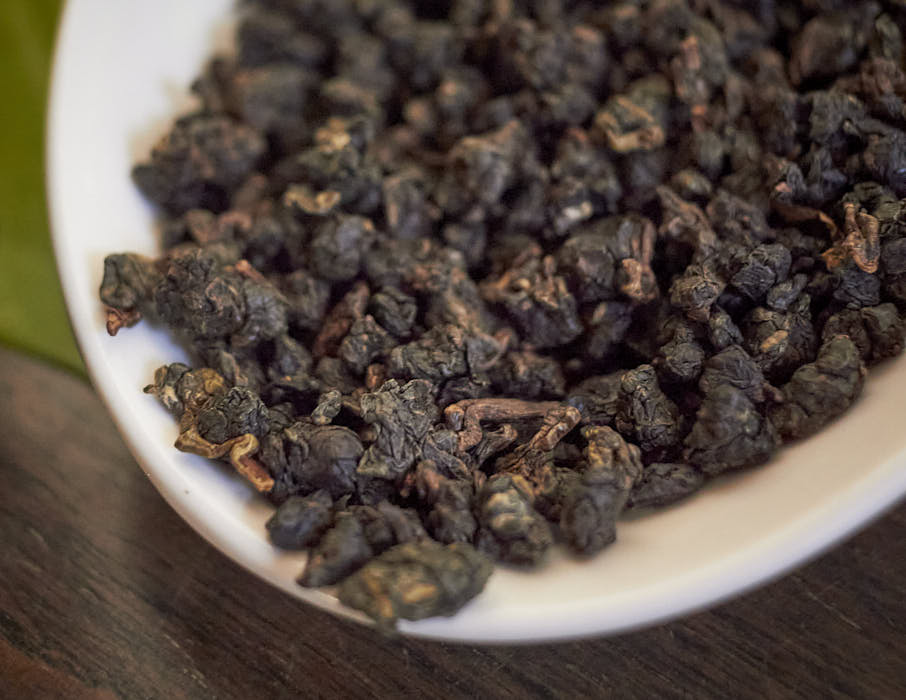
2026 Dong Ding Oolong Tea, USDA Organic
Origin: Thailand Harvest: 2026
Special:$10.20
Old price:$12.00
You save:$1.80
Update on the current batch.
More roast than last year’s batch, which brings it closer to the “classic” level.
What’s inside: the signature taste of baked cream bun, fruit jam, coffee beans and chocolate. The aftertaste brings a lovely note of juicy fresh-cut grass that contrasts nicely with the coffee-and-chocolate body.
In a good Dong Ding, the roast fades beautifully over time, leaving cinnamon and other spices behind. In short, a good Dong Ding can and should be stored and aged. We usually don’t bother, we sell the current batch and buy a fresh one. So that part is up to you.
/upd.
The aroma of the warmed leaves tells us: there’s milk chocolate and fruit hiding inside the gaiwan.
The fragrance of the liquor offers even more epithets: shortbread cookies, cinnamon, buckwheat honey, milk chocolate, and a mix of apricot, plum, and peach jams — in short, stone fruits.
The oolong drinks incredibly easily — almost unusually easy for a young Dong Ding. Which immediately makes you want to increase the steeping time, and that’s exactly what I did. The longer exposure adds a touch of astringency, tannins, grassy notes, and wild strawberry nuances to an already rich bouquet. I’d say this is the melody I’d mark as the optimal one for myself.
I stepped out of the room where this Dong Ding was being brewed and, returning five minutes later, caught a clear impression: the room smelled like milk chocolate with a fruity filling. A wonderful profile — balanced and beautiful. The aftertaste is long, oily, with a grassy–wild strawberry–chocolate theme running through it.
I don’t usually notice any particular “effect” from oolongs; for me they’re either dessert teas or, on the contrary, teas to get you going.
But for a cheerful company that appreciates refinement and attentiveness, this tea will be a real treat — it creates a genuinely festive atmosphere.
Reviews (1)
A fresh, easy-drinking oolong with a flavor that evolves from steep to steep. I picked up a slight tartness of dark grapes that transitioned into a sweet raspberry finish. Using 6-7g for a small 120-140ml teapot works well, but you can use more for a deeper, more complex taste and aroma. An excellent oolong.
Related Products
-15%

Update on the current batch.Inside you’ll find cherry, cinnamon, passion fruit and a whole pack of spices still waiting to be sorted. Our bestseller since the day the shop opened./upd.The aroma of the..
$10.80 $9.18

The dense taste of spring material gives out a chic Dong Ding flavors set: baked pastry, chocolate candy, buttery macadamia nuts and cashews, a mix of fresh fruits with a slight tartness of the stone...
$9.50

In the age of machines, fewer and fewer tea masters are able and willing to roast oolongs on charcoal. It is a very time-consuming process that requires experience and understanding. Therefore, this D..
$15.00
Recently viewed
This is a higher grade of “Wild Mango” Green Tea, gr. C, there are more tips here...
$13.50

$29.00
Thai pottery tea cup of dark green color, matte-glossy. Mix of Thai black and white clay.
Volume: 200ml
Diameter: 95mm
Height: 72mm..