

Your shopping cart is empty!
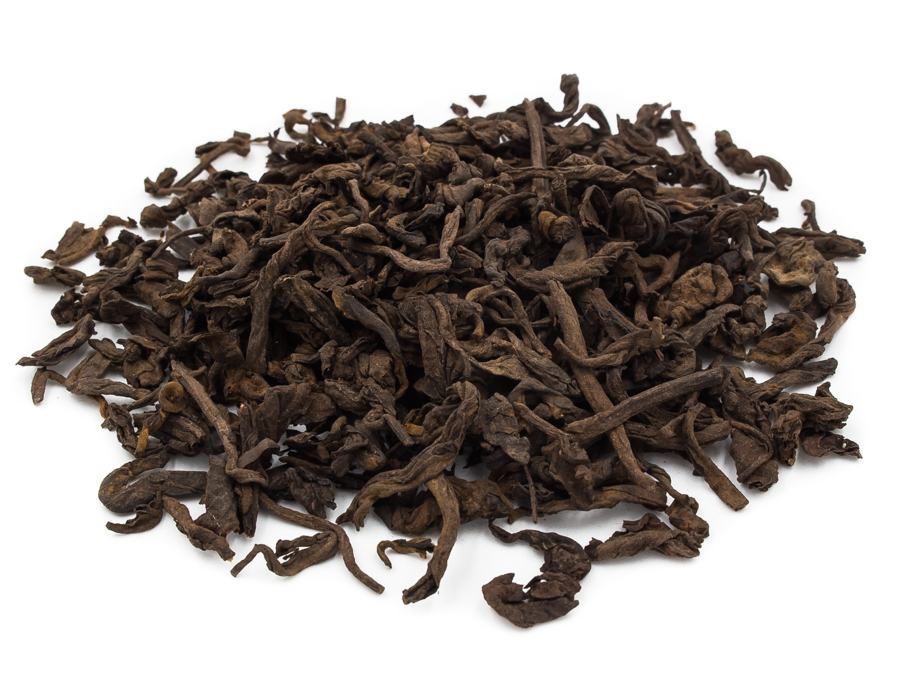

Many of you have appreciated our Thai Liu Bao '93. We are pleased to introduce you to its elder brother, 1991 Liu Bao from the oldest Thai factory operating under the esteemed Hong Tai Chang brand.
The flavor profiles of these teas are certainly similar, but there is an important difference – the one from ‘91 is a bit softer.
There are no fungal notes here at all. Thanks to this, all its melodies sound clear and beautiful.
The aroma is clean, soft, and warm: sandalwood, teak, and chocolate. No mushroomy admixtures, as was mentioned above.
On the palate, the same tones of sweet, noble, wood ( would like to write "tons"), chocolate, and almonds. There is a nice powerful sweetness at the base of the tongue as you sip, which is especially noticeable when the infusion becomes cooler. The tea is easy to drink, it feels smooth and sweet on the throat.
There is nothing more to say about organoleptic properties - neither add nor remove. But what surely should be mentioned is that this is the cleanest, in all aspects, Hei Cha in our store. Considering its age, at the moment of writing it's 32 years old, that's pretty amazing.
The Cha Qi matches the flavor profile - mellow, soothing, and gathering. You can drink it on an empty stomach and in the amounts you want, there will be no caffeine tremor. Haven't tried drinking it at night though...
All in all, this is a top-end old Liu Bao from old Thai trees from the old Thai factory Hong Tai Chang. Everything is old, as you can see. Just the way we tea nerds like it. :)
There’s not much of it left, the old tea is gone forever, so catch the moment.
Reviews (1)
This has been one of if not my favorite Liu Bao to date.
I did a 1 gram to 10ml ratio across two sessions.
The tea gives notes mainly of wood(perhaps oak), light chocolate, and at times even a light vanilla.
Overall this tea has great sweetness and is quite smooth, although later steeps leave the throat a bit dry.
Despite its age the tea does not have any dirty or dusty character.
A very relaxing and smoothing feel comes along with the tea also.
I’ve also noticed the Thai Liubao’s tend to be shou-like in character, while true to most, this liubao seems to be so at a much lower degree.
Overall a very enjoyable session, but the question most people may be asking, is it worth the price? ( $1.04/g for under 50g worth. $0.80/g for 50g and more)
And I would say, to me, the price for 50g and more is worth it for the quality and sheer enjoyment, but it is something you should sample first, whether it’s through TeaSide’s free gift or if you buy it outright.
Overall this tea is hard to find fault in
Related Products

Loose-leaf Liu Bao dark tea (Hei Cha) from 200-300-year-old trees, fermented in 1993. Chiang Rai province, northern Thailand. Altitude is about 1400 meters above sea level. It’s the same place where t..
$35.00

A unique aged shu pu-erh from an old Thai factory that makes tea according to the traditions of the famous brand Hong Tai Chang. The material is from trees aged 200-500 years. By the way, a real HTC c..
$250.00
A cake of Liu Bao tea from the oldest Thai HTC pu-erh factory.
This old factory has never put a production (pressing or fermenting) year stamp on its cakes. However, by my parallel tasting, the year..
$185.00
