

Your shopping cart is empty!
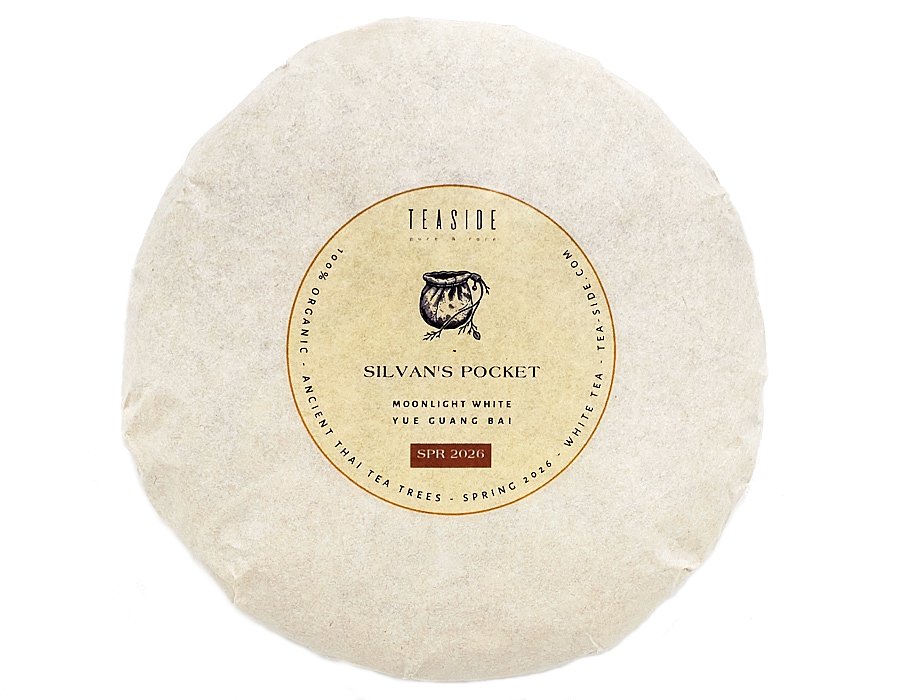
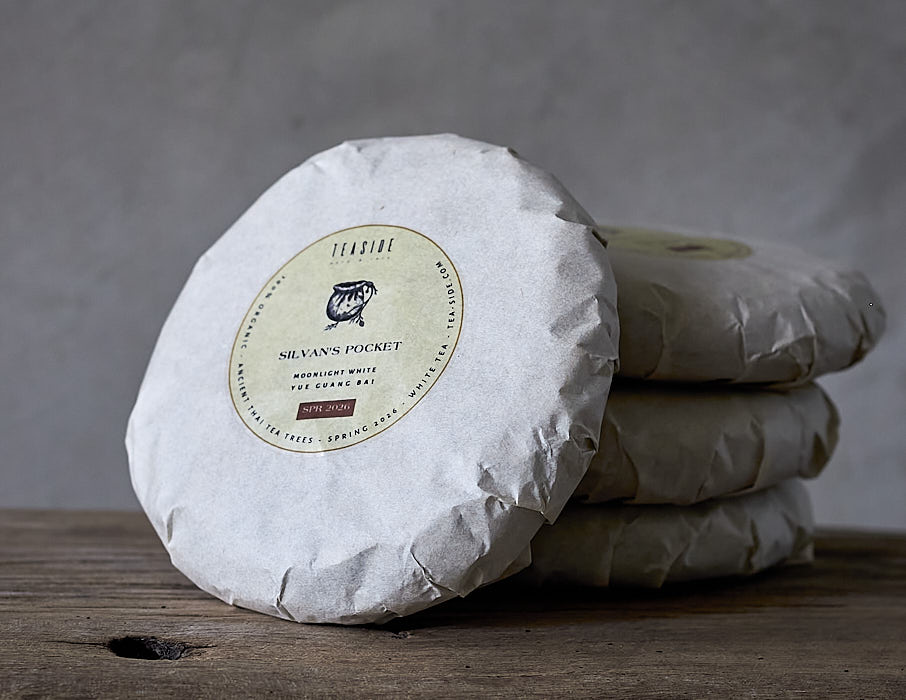
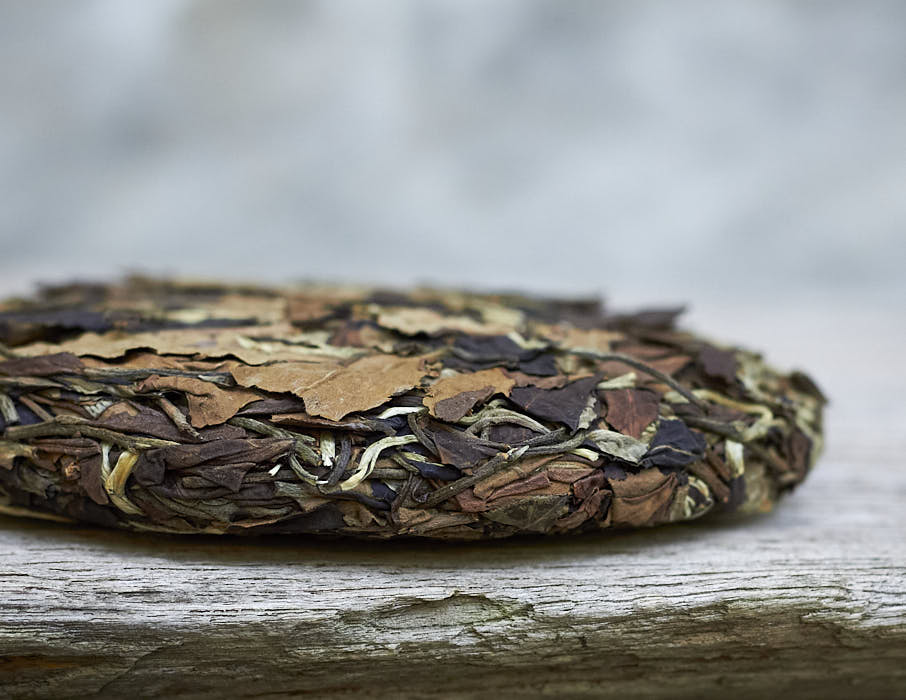
2026 “Silvan's Pocket” Yue Guang Bai White Tea Cake, Old Trees
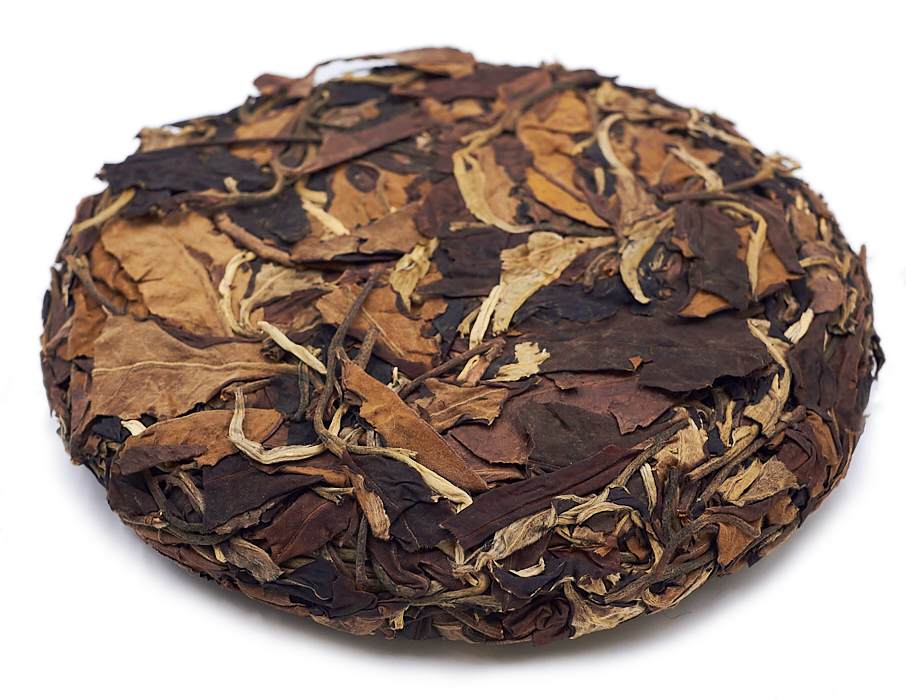
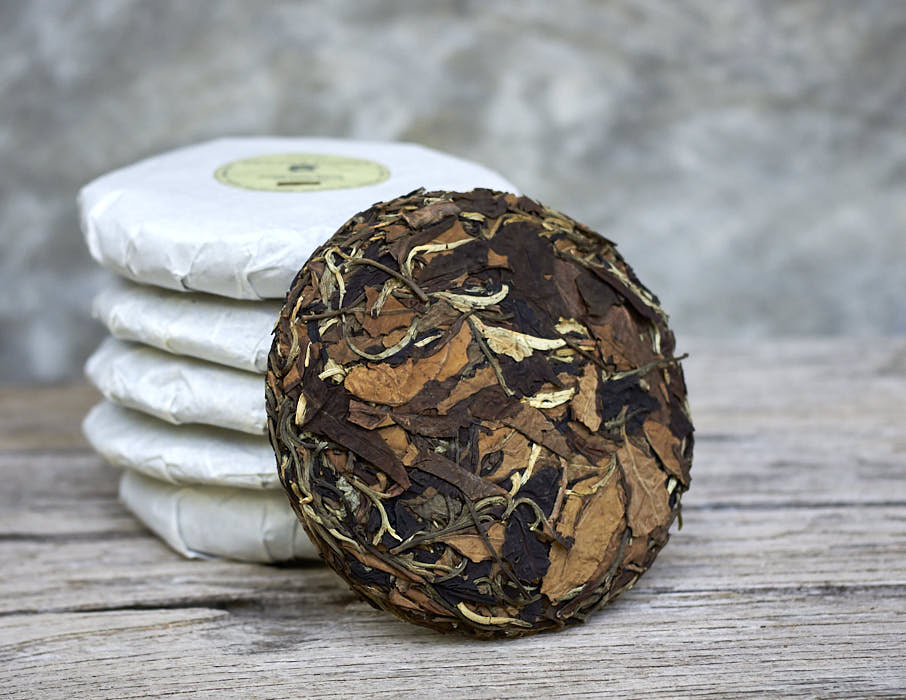
The leaf for this tea was carefully picked from trees over 300 years old and dried under gentle conditions — you can see all its beauty in the photos.
The first cake of this line came to us in 2021, and it was called “White Chocolate”. In the beginning our relationship was complicated — the material aged differently than I had imagined. After a while, the notes of white chocolate and flowers were pushed aside by melodies of forest and spice, and we had to change the name. Later I fully got to know the nature of this material, and now it's one of my favorite whites.
Young tea has plenty of chocolate and floral notes, but in three to four years in the “Silvan's pocket” it will open up with amazing melodies of cardamom, walnut, black pepper, honey and tree bark. Perhaps it would be more accurate to call it “White Chocolate in the Silvan's Pocket”… Either way, now you know that by buying this tea, you get two different profiles, one of them to age into.
For the next year or two (depending on how you store it), here's what will be in your cup: milk chocolate, vanilla, meadow flowers and herbs, teak wood, a touch of garden berries, caramel and cookies. The cooled leaf smells of chocolate and berry jam.
What else matters.
I really love the effect of this tea. Powerful, relaxing and at the same time invigorating. There's plenty of caffeine in it, so don't drink it at night.
The tea is very forgiving and isn't afraid of long steeps. And with short infusions, it keeps going more or less forever.
A few thoughts and observations about tree-sourced material
You know how it goes… You take two white teas from trees on neighboring farms — literally next to each other, same mountain, just a different slope.
One of them matures in a way you’d expect: first, fresh berries and flowers, then — as it should be — dried fruits and wood.
And the other one? Total wild card. It starts with milky chocolate, and then — bam! — suddenly you're in the forest: moss, jojoba, tart-sweet berries, cardamom.
Same cultivar, same terroir. So what’s the deal?
My bet is on the processing.
Tea leaves are incredibly malleable material in the hands of a skilled tea “cook.” A bit more heat — and you get nuts and chocolate. Let it rest just right — and there's maple syrup and prunes. That’s just scratching the surface…
A difference of just a few dozen degrees during heating, or a few extra minutes in the process, can shift the flavor into a completely different direction. And over time, those two “neighbors” can end up worlds apart. I think that’s beautiful — it gives so much room for creative exploration by tea-makers.
Of course, I’m not claiming to have discovered anything new — this has all been known for a long time. But I wasn’t ready for such stark contrast between white teas from the same terroir.
Then again, “neighboring slope” isn’t a small thing either — ask any wine sommelier. Which is why, in tea — whether it’s in production, storage, or brewing — there are no unimportant details.
2021 Harvest Tasting Notes
If we keep it short — in “Silvan’s Pocket”, you’ll find a bouquet of spices, a wide range of woody notes, freshly cut meadow grass, a touch of berries, and a hint of chocolate.
And if we go long, then here’s the lineup: black chokeberry, jojoba, green walnut jam, chocolate, cardamom, mixed peppercorns, birch buds, and wild meadow herbs.
The liquor is thick and amber-hued, with the scent of delicate meadow honey.
The tea drinks incredibly smoothly — like an unusual red tea with soft honey tones. It reminds me just a little of Oriental Beauty.
There’s no riot of floral perfume here like in “Moon in Bloom”, but instead, there’s density. Forest. Oak barrels. The feeling it gives is soft, gentle, and quietly strong. It’s a bourbon among white teas — try it, and you’ll see what I mean.


Reviews (1)
I love this deep, rich, and complex white tea. It is incredibly satisfying and unlike any white tea I've had before. I love the soothing woodsy notes and hint of chocolate that comes through. Each infusion unveils a new layer of flavor and aroma. I'm impressed with how many steeps it can handle as well.
Related Products

White tea is one of those types of tea that is valued both, aged and fresh.
This is a classic fresh "Moonlight" - sweet, with subtle vanilla and floral notes.Material from old trees allows you to b..
$15.00

A cake of Moonlight white tea from sweet old trees aged from 300 to 500 years.
This white tea from the 2020 harvest has already won the hearts of many. The 2024 batch turned out to be so rich in b..
$65.00

The first impressive thing about this white tea is the exterior. Fat, furry needles, with a thick middle. I’ve never come across this variety before. For comparison, 2016 Needles are long and thin, wi..
$19.00
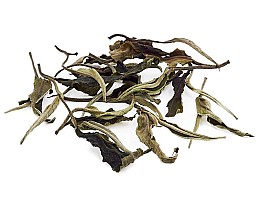
A white tea made from a rare variety of Thai tea trees, aged between 200 and 700 years, found only in one small area at the border of Mae Hong Son and Chiang Mai provinces. The dry leaves have a syrup..
$18.00
Recently viewed
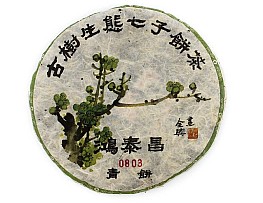
Old raw (sheng) pu-erh tea from the Thai factory that produces pu-erhs under the name Hong Tai Chang.
The tea is made by a Chinese master, a native of Yunnan. He has been making Pu-erhs for more than..
$215.00
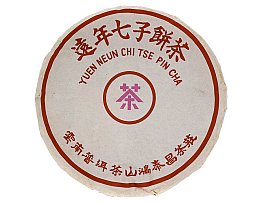
A cake of Liu Bao tea from the oldest Thai HTC pu-erh factory.
This old factory has never put a production (pressing or fermenting) year stamp on its cakes. However, by my parallel tasting, the year..
$185.00
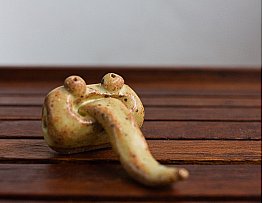
$15.90
Handmade ceramic tea pet in a form of bizarre face with the long tongue sticking out. This figurine is made from Thai clay by a young master. The monster is a single copy creation but has a little tea..
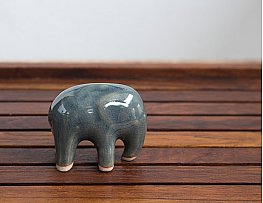
Handcrafted ceramic figurine "Elephant". Made by Thai ceramists from the mix of Thai dark and white clay. Glossy celadon glaze of light blue color with hints of brown.
Dimensions (LxWxH): 55x33x..